Brent oil dropped 12% overnight: what it means for your crypto card spending
Based on verified official data as of 27.07.2026; hands-on update coming.
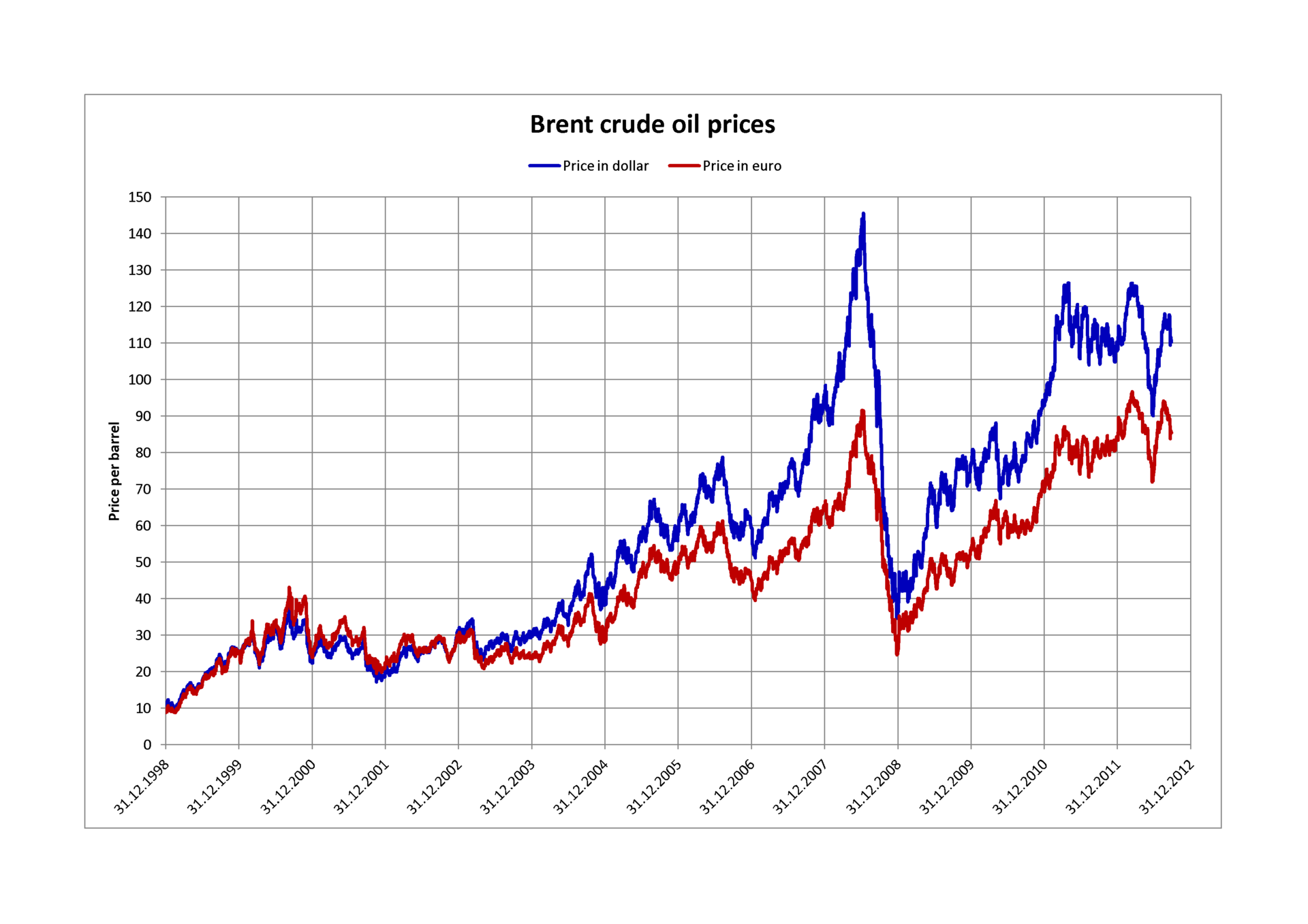
Brent crude fell about 12% overnight into 25 July 2026 after Washington paused strikes against Iran on 24 July and Tehran halted its responses. For crypto card users this is indirect: oil shocks move risk sentiment, USD strength and local currency FX rates, all of which change what your USDT actually buys at the point of sale. The card fees you control - conversion spread, ATM charges, network hop - are unchanged by the oil price and remain the numbers worth optimising.
TL;DR
- Brent dropped roughly 12% overnight after the US paused its Iran strike campaign on 24 July 2026 and Iran halted counterattacks.
- Oil price moves do not touch your card's conversion spread (0-1% at the best cards in our database) or ATM fee (1.5-2% card-side).
- The real card impact is second-order: cheaper oil can lift risk appetite and move USD strength, changing local-currency FX at checkout.
- US Admiral Brad Cooper recommended ending the bombing campaign near the Strait of Hormuz, per Axios, saying it hit its effectiveness limit.
- The US blockade stays in force and Hormuz shipping remains restricted, so any oil relief could reverse on the 28 July Netanyahu-Trump meeting.
What actually happened on 24-25 July
Brent crude fell about 12% in overnight trading after the United States paused its strike campaign against Iran late on 24 July 2026, following 13 consecutive nights of operations. Iran also stopped its counterattacks and said it will not resume them while the US honours the pause. Talks are running through regional intermediaries, with Oman and Iran discussing safe-passage terms for shipping through the Strait of Hormuz.
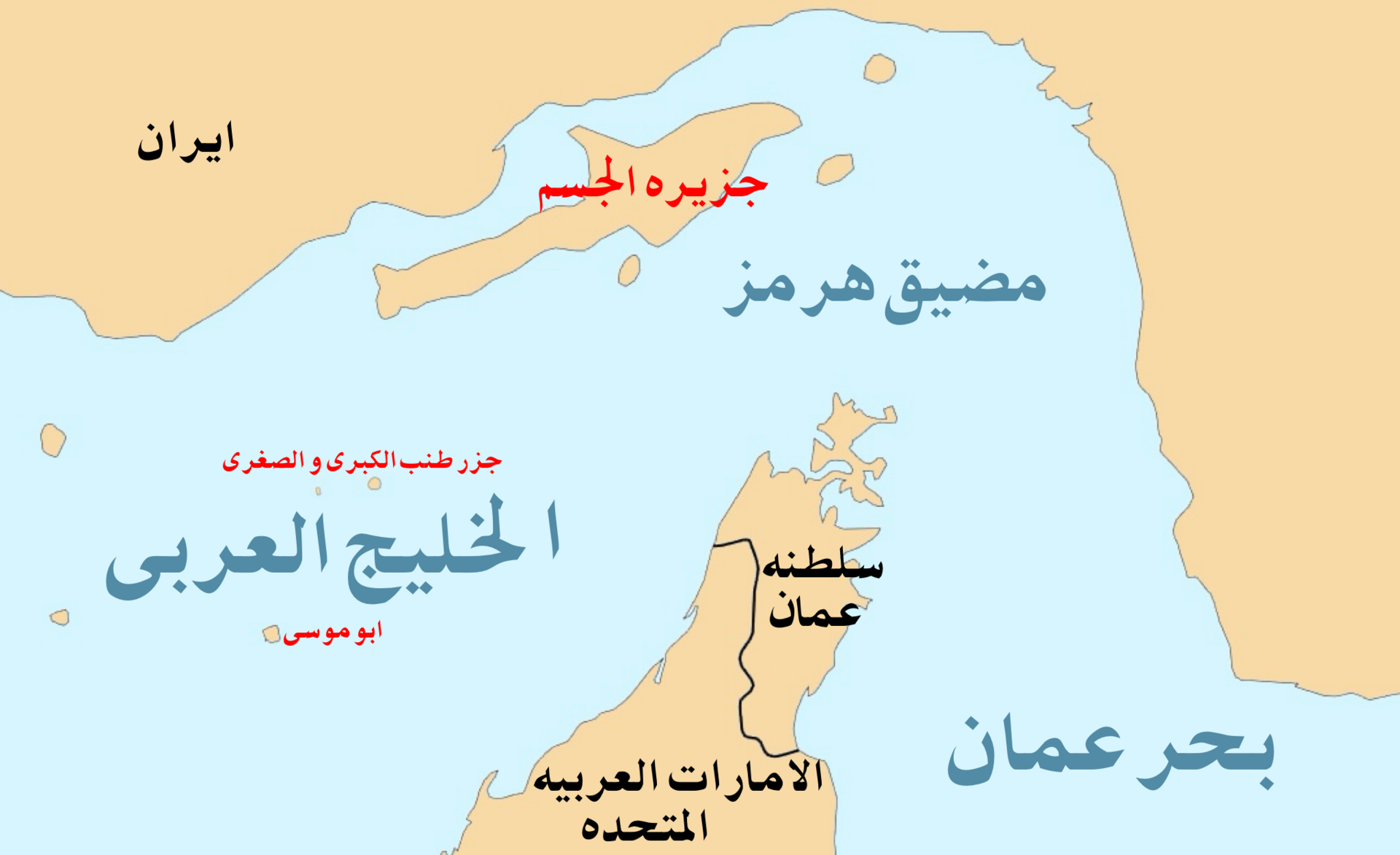
The relief is fragile. The US blockade remains in place, Hormuz traffic is still heavily restricted, and Houthi attacks on Saudi facilities continue. Israeli PM Netanyahu is due to meet Trump in Washington on 28 July 2026, and Israel's position could shift the scenario either way. This is a pause, not a settlement, so any oil price gain can reverse fast.
Why an oil price barely touches your card fees
The costs you pay on a crypto card are set by the issuer and the networks, not by crude. Conversion spread, ATM withdrawal fee and the blockchain network fee to load the card are all fixed schedules. An oil crash does not change the 0-1% conversion cost at the best cards in our database, nor the typical 1.5-2% card-side ATM charge.
What oil can move is the exchange rate between the currency your card settles in and the currency you spend. Card issuers convert at a reference FX rate (usually Visa or Mastercard's daily rate) plus their spread. If an oil shock strengthens or weakens the US dollar against your local currency, the same USDT balance buys a different amount at the till. That FX drift is real but usually small over a single week.
| Cost component | Typical size | Set by | Affected by oil price? |
|---|---|---|---|
| Network load fee | $1-2 (TRC20) to $3-10 (ERC20) | Blockchain congestion | No |
| Conversion spread | 0-1% at best cards | Card issuer | No |
| ATM withdrawal | 1.5-2% card-side + operator fee | Issuer + ATM operator | No |
| FX reference rate | Visa/MC daily mid-rate | Card network | Indirectly, via USD strength |
The stablecoin angle: does macro risk hit USDT?
A 12% oil move is a large macro signal, and macro stress is where stablecoins earn their keep. USDT and USDC are pegged to the dollar, so an oil crash does not devalue them the way it can hit an oil-linked local currency. If you are paid in a currency exposed to energy prices, holding a slice in USD stablecoins is a hedge against local depreciation.
The catch is that the peg is only as good as the issuer's reserves and the venue holding your balance. Macro shocks that trigger risk-off flows can also stress exchanges. Keep spending balances on a card or wallet you control, and do not chase yield with money you need next week. Our KYC friction ranking covers which venues let you move fast in a squeeze.
What the military read tells us about duration
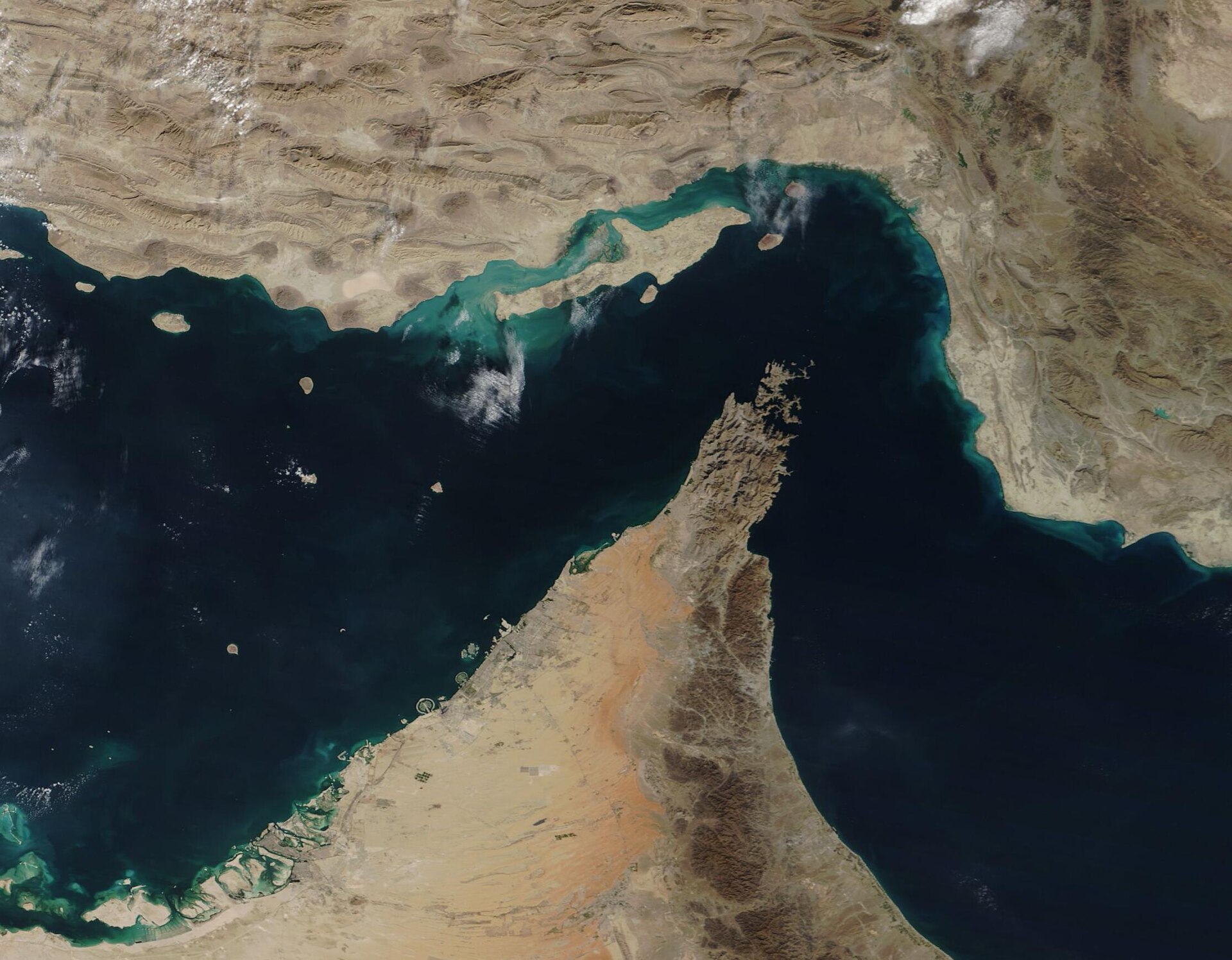
Per Axios, US Admiral Brad Cooper recommended halting the bombing campaign near the Strait of Hormuz, saying it had reached the limit of its effectiveness. That is a signal the pause may hold for practical, not just diplomatic, reasons. Iran's Ebrahim Azizi countered that any attack on Iran carries consequences and that both the US and Israel understand this.
For a spender, the takeaway is simple: treat the oil dip as a headline, not a plan. The 28 July Netanyahu-Trump meeting is the next real pivot. If you were going to load a card or convert a chunk of savings this week anyway, the FX difference from oil is marginal. Do not time card loads around a war headline.
Practical checklist for card users this week
Do not front-load your card because of an oil headline. The FX swing you would capture is typically under 1% over a week, smaller than the conversion spread you pay to move money twice. Load what you plan to spend and keep the rest in a stablecoin you control.
If your home currency is energy-linked and volatile, a stablecoin balance on a low-friction card is a reasonable defensive hold. Check the live network withdrawal fee before loading, batch ATM withdrawals into fewer larger amounts to dilute flat operator fees, and confirm your card's settlement currency so you understand which FX rate applies.
Risk warning: derivatives and crypto-backed credit involve significant risk, including liquidation of your collateral. Never commit funds you cannot afford to lose. Nothing on this page is financial, investment or tax advice.
Who this is NOT for
- Oil traders looking for a price forecast - this is about card spending, not crude speculation.
- Anyone expecting a war outcome prediction; the pause is fragile and we make no calls.
- Users whose card settles in the same currency they earn and spend, where FX drift is irrelevant.
- People wanting to time card loads to macro news - the fee math does not support it.
Frequently asked questions
No. Conversion spread, ATM charges and network load fees are set by your card issuer and the blockchain, not by crude prices. The only indirect effect is on the FX reference rate if the dollar moves against your spending currency.
NomadCrypto Editor
Editorial Team, NomadCard
The NomadCrypto editorial team verifies every published fee across 59 crypto cards against issuer documentation, with the verification date shown on every figure.