Reddit favorites aren't automatically the best cards. A glowing recommendation may come from someone who already holds the issuer's token, spends domestically, or qualifies for a reward tier you can't access. Another user may reject the same card because of foreign-exchange costs, verification requirements, or a difficult account review. Neither experience establishes a universal winner.
When searching for best crypto debit card Reddit recommendations, start with your priority: rewards, low fees, privacy, self-custody, credit access, or dependable everyday spending. Community discussions are useful for identifying questions to investigate, but official issuer specifications and regional terms should determine whether a card belongs on your shortlist.
The distinction matters even as adoption grows. Visa's crypto-linked payment volume reached roughly nine times its January 2021 baseline by the end of 2025, but growth doesn't establish which individual card is cheapest or safest, according to the Visa Economic Empowerment Institute's crypto-linked card analysis.
NomadCards is the research tool below, followed by the card programs. Treat each recommendation as a use-case match, conditional on current eligibility and issuer terms.
Table of Contents
- 1. NomadCards
- 2. Crypto.com Visa Card
- 3. Coinbase Card
- 4. Uphold Debit Card
- 5. Nexo Card
- 6. Plutus Card
- 7. Bybit Card
- Best Crypto Debit Cards on Reddit: Top 7 Comparison
- Choose the Card That Fits Your Priorities
1. NomadCards
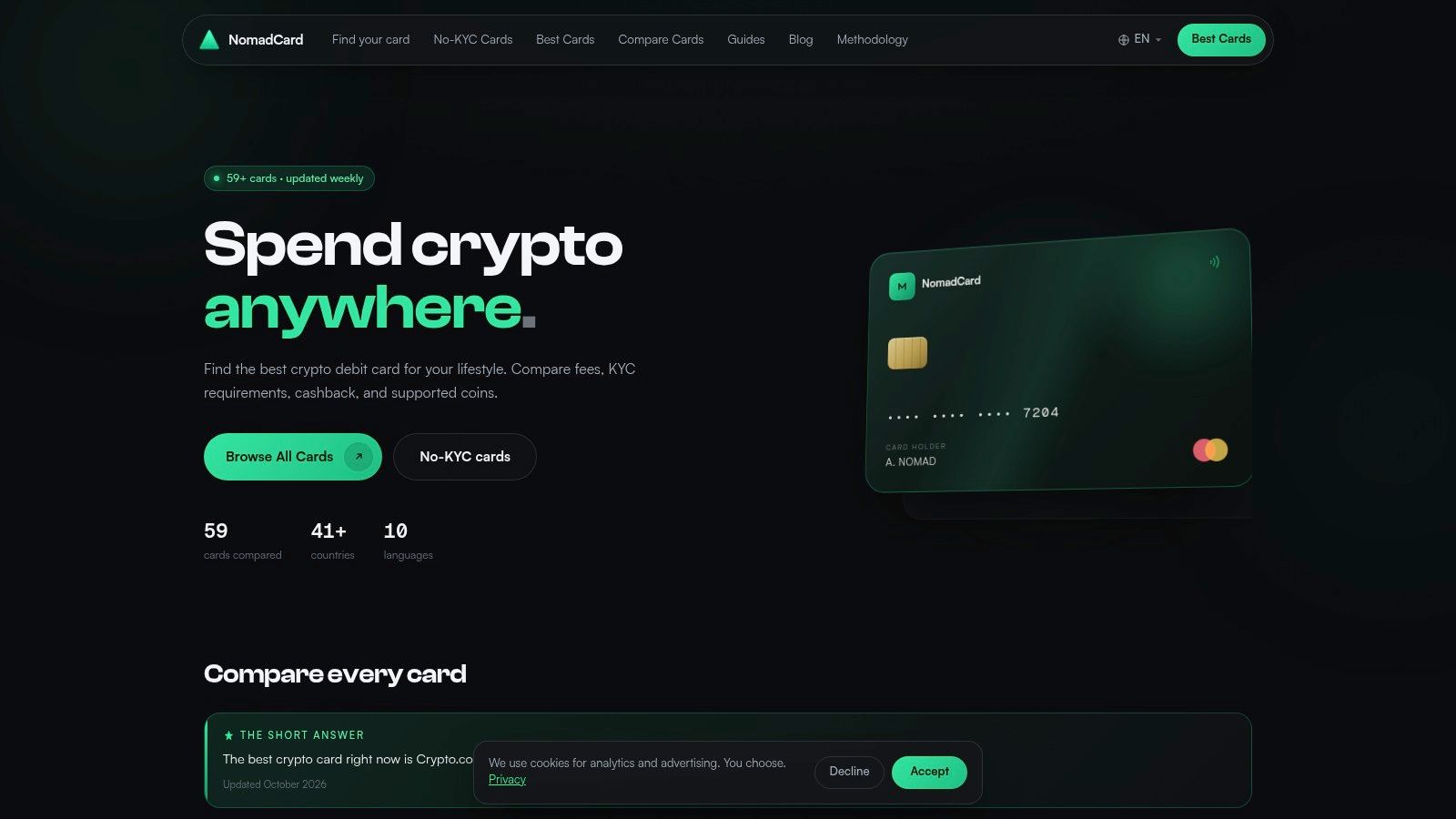
NomadCards is a comparison platform, not a payment card. Its role is to make unlike products comparable before you apply: exchange-linked prepaid cards, debit cards, crypto-backed credit products, and self-custodial spending options.
For Reddit-driven research, its useful distinction is between community sentiment and product terms. A positive thread can suggest a program worth investigating, while standardized fields help you check whether its fees, supported assets, custody model, and geographic availability fit your circumstances.
Compare the operating model before the reward
NomadCards provides filters for No KYC, email-only, and full KYC, alongside card type, network, supported assets, spending limits, and features such as digital-wallet support. It also places custodial and self-custodial implementations side by side, helping you avoid treating all crypto cards as equivalent.
That's particularly useful for privacy-sensitive users. Identity verification and custody are separate decisions: a self-custodial arrangement doesn't automatically mean anonymous payments, and a minimal-verification onboarding process doesn't guarantee unrestricted access later. The NomadCards guide to no-KYC card safety provides a starting point for investigating those distinctions.
- Comparison strength: Standardized profiles bring fees, rewards, assets, networks, and regional access into a consistent research workflow.
- Transparency strength: Published methodology and an advertiser disclosure let readers examine how rankings are constructed and how affiliate relationships enter the business model.
- Important limitation: A ranking isn't an issuer guarantee. Confirm the applicable fee schedule, legal issuer, eligibility rules, and redemption conditions before funding a card.
Research rule: Use a ranking to decide what to investigate, not where to deposit your money.
The platform is most useful when you've defined a specific scenario, such as stablecoin-funded travel spending or a privacy-conscious virtual card. Compare candidates under that same scenario, then follow their issuer documentation. That approach is more defensible than accepting a top-ranked card whose strongest features you won't use.
2. Crypto.com Visa Card
Crypto.com suits rewards-focused users willing to investigate tier requirements. Its official card offering distinguishes regional products, including prepaid arrangements outside the United States and a separate US credit-card offering. Don't assume a Reddit comment about one product describes the card available where you live.
The practical attraction is an app-based spending setup with tiered benefits and digital-wallet functionality. The trade-off is that your value depends on the applicable region, reward tier, and any CRO-related qualification requirements, not just the card's brand.
Judge the tier as a financial commitment
A higher reward tier can look attractive while asking you to hold or commit assets you wouldn't otherwise choose. Evaluate that commitment separately from your spending budget, especially if your reason for applying is routine purchases rather than exposure to an issuer token.
- Best fit: You already use Crypto.com and can justify the eligible tier without stretching your budget.
- Main drawback: Region-specific fees and reward conditions make another user's experience difficult to reproduce.
- Before applying: Compare the entry-level option with the tier you're considering, including funding, conversion, withdrawal, and foreign-currency costs.
Use the crypto card fees comparison guide to organize those costs rather than comparing cashback alone.
The key question is whether the card remains useful without promotional benefits. If the answer is no, you're choosing a reward arrangement rather than a dependable everyday payment tool. That can still be reasonable, but it deserves a different risk assessment.
3. Coinbase Card
For an existing Coinbase user, convenience is the strongest reason to investigate Coinbase Card. The Coinbase Card help center documents the account-linked Visa debit product, spending from eligible balances, digital-wallet functionality, and location-dependent requirements.
The advantage is operational familiarity. You can assess card spending alongside an account you already understand instead of learning a separate funding system. That convenience shouldn't be confused with proof that the card offers the lowest total cost.
A useful comparison follows the money from your starting asset to the merchant payment. If you must trade an asset, transfer funds, or convert a balance before spending, evaluate that entire route rather than just the advertised card fee.
Prioritize account continuity
An account-linked card makes access to the underlying platform especially relevant. Before depending on it, investigate the current procedures for card replacement, disputed transactions, wallet provisioning, and account reviews.
- Best fit: Eligible Coinbase users who value a familiar account and straightforward balance management.
- Trade-off: Convenience doesn't remove custody exposure or location-specific restrictions.
- Verification priority: Confirm your supported funding balances, spending limits, applicable fees, and digital-wallet compatibility.
Reddit comments about cancellations, replacement delays, or wallet setup should prompt those checks, not become a claimed failure rate. Without representative evidence, a dramatic complaint can't tell you how frequently the problem occurs.
Keep a backup payment method. That's a practical recommendation for any account-linked crypto card, not a finding that Coinbase is uniquely unreliable. The buying decision should turn on whether its current terms and support processes satisfy your needs.
4. Uphold Debit Card
Uphold is worth comparing when you already hold spending assets on its platform. Its official debit-card page presents a Visa card with tier-dependent rewards paid in a selected digital asset. Evaluate the applicable Essential or Elite arrangement using its current terms rather than a historical Reddit reward screenshot.
Reward denomination changes the comparison. Receiving a digital asset isn't the same as receiving an immediate reduction in your purchase price, particularly if you must trade or withdraw the reward before using it.
A public Reddit discussion of everyday crypto-card use includes user-reported offers of up to 5% cashback. Those anecdotes aren't audited benchmarks or a basis for assigning that rate to Uphold, but they illustrate why headline rewards need scrutiny.
Separate spending costs from asset-management costs
Your effective return is the usable reward value after card fees, funding costs, conversion spreads, and any costs incurred when managing the reward asset. If you repeatedly rebalance small amounts, include those transactions in the assessment.
A reward that requires extra trading isn't equivalent to cash saved at checkout.
The strongest use case is an existing Uphold customer who understands the platform's asset-management costs and can use the rewards without unnecessary conversions. The weaker use case is opening an account solely for a headline rate while overlooking caps, tier costs, or redemption conditions.
Before choosing a paid tier, compare its incremental benefits with the purchases you expect to make. Don't include rewards beyond applicable caps, and don't assume introductory terms will define the ongoing value.
5. Nexo Card
Nexo belongs in a different category when you use Credit Mode. The official Nexo Card page describes a Mastercard with Debit Mode for spending balances and Credit Mode for borrowing against crypto collateral. That makes it a financing decision as well as a payment-card decision.
For eligible holders who don't want to sell crypto immediately, collateral-backed spending may be attractive. But retaining an asset while borrowing against it is not the same as spending money you already have available without an ongoing obligation.
Compare borrowing mechanics before cashback
Inspect the applicable borrowing terms, collateral requirements, loyalty conditions, and repayment process. Consider how you'd respond if collateral values fell or the cost of maintaining the borrowing position changed.
- Best fit: Users who deliberately want crypto-backed credit and understand the collateral arrangement.
- Main advantage: The choice between spending balances and accessing collateral-backed borrowing.
- Main drawback: Credit Mode introduces obligations that a prepaid spending comparison won't capture.
- Eligibility check: Confirm country access, verification requirements, and the conditions attached to the mode you intend to use.
Privacy-focused users should keep verification separate from custody preferences. Regulatory reporting indicates that 85 countries had enacted Travel Rule legislation by mid-2025, as summarized in the FATF virtual-asset framework reporting. That doesn't establish an individual card's requirements, but it reinforces why current provider rules matter more than old minimal-verification anecdotes.
Don't select Nexo merely because a reward looks competitive. Select it if the debit or credit mechanism solves your actual spending need, and compare borrowing costs separately from card rewards.
6. Plutus Card
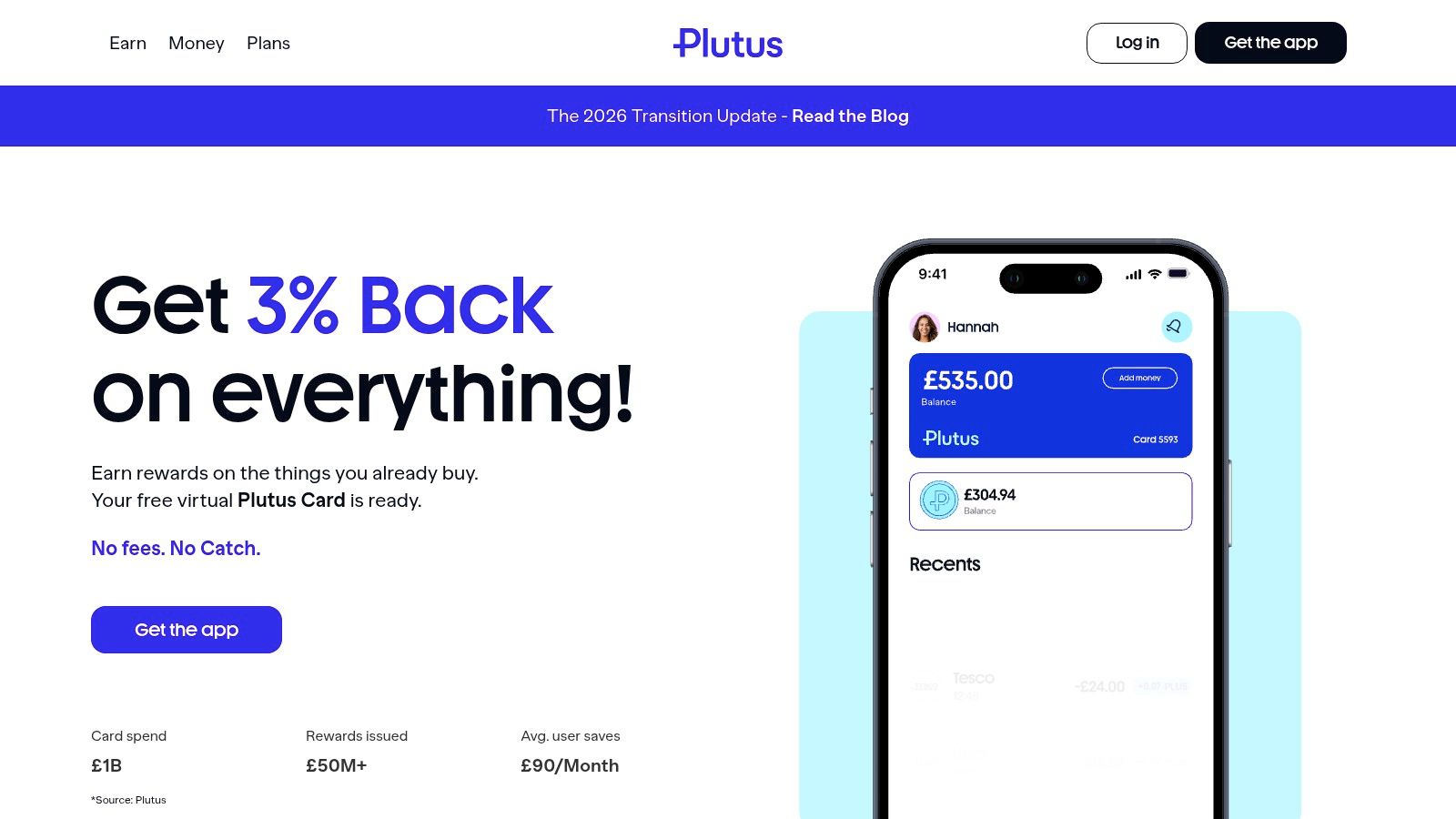
Plutus is a rewards-program comparison as much as a card comparison. Its official website presents a debit Visa offering for the UK and EEA, with ecosystem rewards and merchant-specific Perks. Regional eligibility comes before assessing whether those benefits suit your shopping habits.
The strongest potential fit is someone whose existing purchases match eligible Perks. A merchant benefit has less practical value if it encourages spending you wouldn't otherwise make, or if the redemption conditions don't fit how you shop.
Value only the benefits you can use
Compare your normal purchases with current Perk rules, plan costs, reward caps, and redemption mechanics. Treat historical program discussions as background, not confirmation that an earlier benefit remains available.
- Potential advantage: Merchant-specific benefits can matter more than a broad cashback headline when they match existing spending.
- Trade-off: Plan selection and reward mechanics require ongoing attention.
- Research priority: Check current reward usability, applicable limits, and the process for resolving account or payment problems.
Reports of service friction should lead to specific questions: was the issue a merchant decline, an account review, or difficulty accessing rewards? Those are different problems and shouldn't be combined into a single verdict about reliability.
The guide to crypto-card declines and fixes can help frame that investigation.
Plutus makes the most sense when you're willing to manage the program. If you want a low-maintenance card, compare the administrative effort with the benefits you can realistically redeem. A generous-looking program isn't automatically the simplest way to fund daily spending.
7. Bybit Card
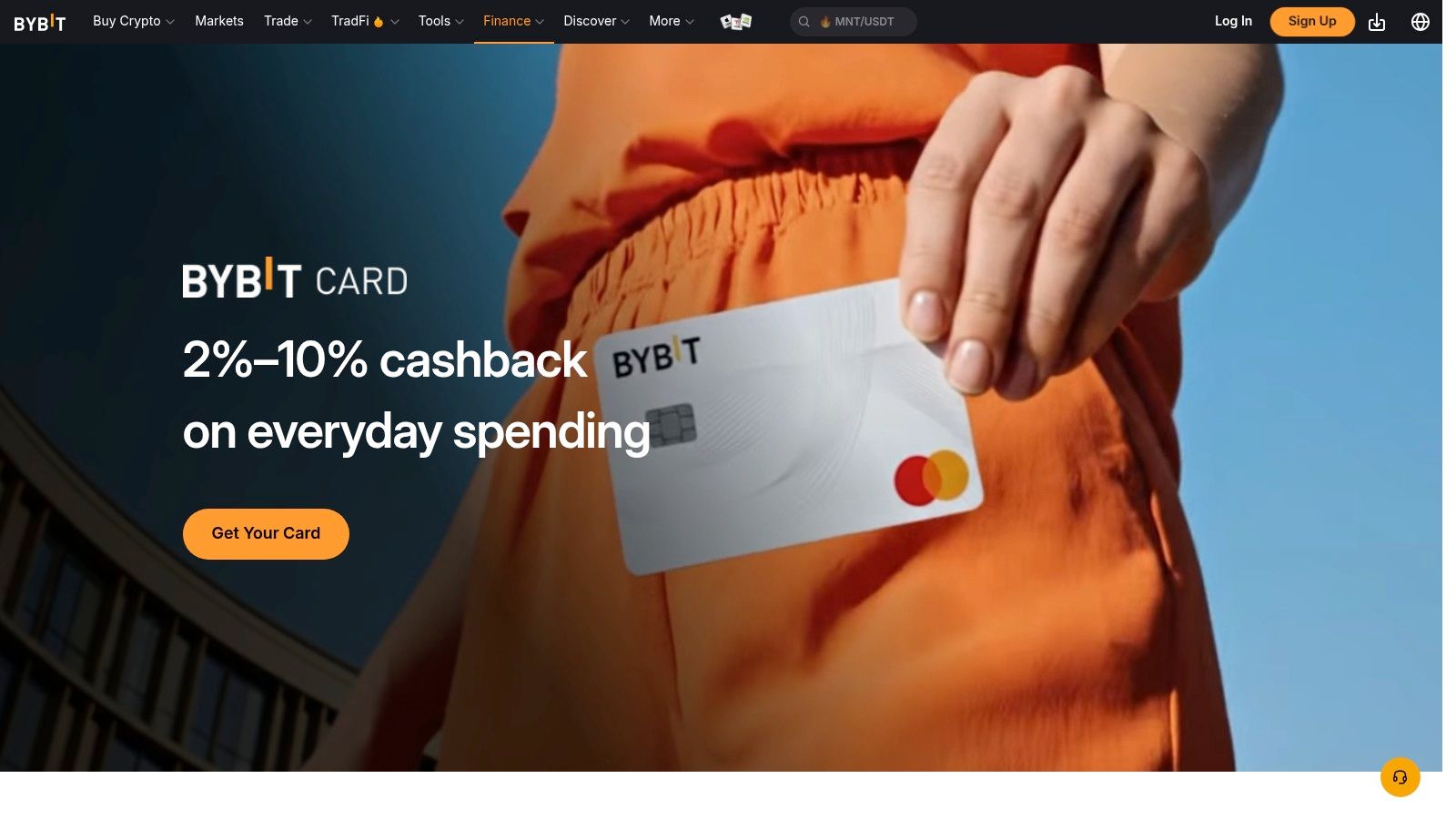
Bybit Card is primarily worth investigating for eligible users already managing balances on Bybit. The official Bybit card page describes its Mastercard spending offering and provides access to regional application information. Confirm the local product before relying on a recommendation from an EEA user or someone in another supported market.
Exchange-app integration can reduce the effort of managing spending balances. The corresponding trade-off is dependence on the exchange account, supported funding assets, and the current card program.
Availability isn't the same as acceptance
Distinguish the ability to obtain a card from the ability to use it for your intended purchases. Network branding alone doesn't establish that every merchant, ATM, digital wallet, or transaction type will work under your regional terms.
- Best fit: Existing Bybit users who qualify locally and want spending access through the exchange app.
- Main limitation: Regional restrictions and account requirements can outweigh attractive features.
- Before funding: Check supported assets, conversion rules, foreign-exchange charges, card status, and virtual versus physical availability.
Funding asset also deserves attention. Market commentary estimates that stablecoins account for approximately 90% of crypto-card transaction volume, according to Spark's crypto debit-card market overview. That market-level figure doesn't prove Bybit's individual economics, but it supports comparing stablecoin funding separately from spending volatile holdings.
Travel safeguard: Verify the card's local issuance and usage rules before treating it as your main payment method abroad.
If a Reddit post alleges suspension, investigate the circumstances and current terms. An isolated report is a reason to examine account access and support procedures, not evidence of a universal outcome.
Best Crypto Debit Cards on Reddit: Top 7 Comparison
| Item | 🔄 Setup / complexity | ⚡ Costs and resources | 📊 Expected outcome | ⭐ Ideal use and key advantage |
|---|---|---|---|---|
| NomadCards | Low: filter and compare options; verify terms with issuers | Free comparison platform; card costs depend on issuer | Side-by-side view of 59+ cards across 41+ countries, with weekly refreshed rankings | 💡 Researching cards by fees, privacy, rewards, and availability; compares custodial and self-custodial options |
| Crypto.com Visa Card | Moderate: app setup; terms depend on region and card type | Fees and rewards vary; higher tiers may require CRO or staking | Spend using a prepaid card outside the US or a separate US credit card; eligible tiers offer rewards | Broad availability, digital-wallet support, and potentially higher-tier rewards |
| Coinbase Card | Low to moderate for existing Coinbase users | Fees and availability vary by location; spends from eligible Coinbase balances | Visa debit spending with real-time conversion | Coinbase users seeking a familiar account-linked card and Apple Pay, Google Pay, or Samsung Pay |
| Uphold Debit Card | Moderate: choose a tier and manage asset balances | Essential has no annual fee; Elite is listed at $99.99 annually; spreads or other fees may apply | Spend Uphold assets and receive rewards in a selected digital asset, subject to tier terms | Existing Uphold users who value asset-based rewards and tier choices |
| Nexo Card | Moderate to high: full KYC; credit mode requires collateral | Borrowing costs and limits depend on collateral and loyalty tier | Debit spending or crypto-backed borrowing; eligible tiers may earn rewards | Crypto holders seeking to spend without selling assets through Credit Mode |
| Plutus Card | Moderate: plan, cashback caps, and Perk rules require monitoring | Plan fees and limits vary; check current terms | UK and EEA debit spending with ecosystem rewards and merchant Perks | UK and EEA shoppers able to use eligible Perks and monthly cashback allowances |
| Bybit Card | Moderate: full KYC and regional eligibility checks | Fees and foreign-exchange terms vary by region | Prepaid Mastercard spending with real-time conversion from Bybit balances | Eligible Bybit users seeking virtual or physical card options and Mastercard acceptance |
Choose the Card That Fits Your Priorities
The strongest answer to best crypto debit card Reddit searches is a conditional shortlist, not a universal champion. Crypto.com deserves investigation for tiered rewards, Coinbase and Uphold for existing-account convenience, Nexo for its debit-and-credit choice, Plutus for usable merchant benefits, and Bybit for eligible exchange users. None should bypass regional or fee verification.
For frequent international spending, prioritize total funding and foreign-currency costs over cashback. For everyday purchases, compare rewards you can redeem after caps, fees, and qualification requirements. For crypto-backed borrowing, evaluate collateral and repayment obligations before treating Credit Mode as a substitute for debit spending.
Match the card to your actual transactions
Privacy-focused users should compare verification requirements and custody models independently. A no-KYC label doesn't establish anonymity, while self-custody doesn't eliminate payment-account restrictions or the need to understand who processes transactions.
A Reddit discussion of privacy-focused crypto cards reports a 1% transaction fee with a $1 minimum. These are anecdotal terms, not a market-wide benchmark, but they demonstrate why minimum charges deserve attention when comparing small-purchase costs.
- Travel spending: Check foreign-exchange terms, ATM rules, physical-card access, and backup-payment options.
- Reward optimization: Confirm settlement assets, redemption conditions, caps, and tier commitments.
- Privacy and control: Verify KYC stages, custody arrangements, legal issuer identity, and account limits.
- Record keeping: Understand conversion history and reward records, and obtain jurisdiction-specific tax guidance where needed.
Before applying, confirm the current issuer terms, eligibility, transaction limits, and reward rules. Then assess a realistic funding route and purchase pattern rather than assuming another Reddit user's results will transfer to you.
NomadCards helps organize that comparison through standardized fields. Use it to narrow the candidates, then let the applicable issuer documentation determine your final choice.
NomadCards brings fees, rewards, verification requirements, custody models, and regional availability into a consistent comparison workflow. Visit NomadCards to compare the cards discussed above against your funding asset, country, and spending priorities before applying.