The most useful neobank statistic isn't a customer count. It's the gap between sign-ups and money. According to Simon-Kucher market analysis reported by Consulting.us, neobanks captured roughly 40% of new banking relationships globally while representing approximately 5% of global retail-banking revenue. People open these accounts easily. They don't automatically move their salary, savings, and daily spending into them.
That's why a generic ranking of the best neobanks misleads you. A weekend tourist needs cheap foreign spending twice a year. A freelancer paid in three currencies needs local account details and predictable conversion fees. A US-only spender needs none of that, just a clean checking account that doesn't nickel-and-dime.
I've ordered these seven apps by profile, not by score. Find yourself first, then check fees, FX markups, virtual and physical cards, travel usability, and country coverage for that pick. The catch is named for every one.
Table of Contents
- 1. Revolut
- 2. Wise
- 3. bunq
- 4. N26
- 5. SoFi
- 6. Chime
- 7. Starling Bank
- Best Neobanks at a Glance
- How to Pick Your Neobank and Cut FX Costs for Good
1. Revolut
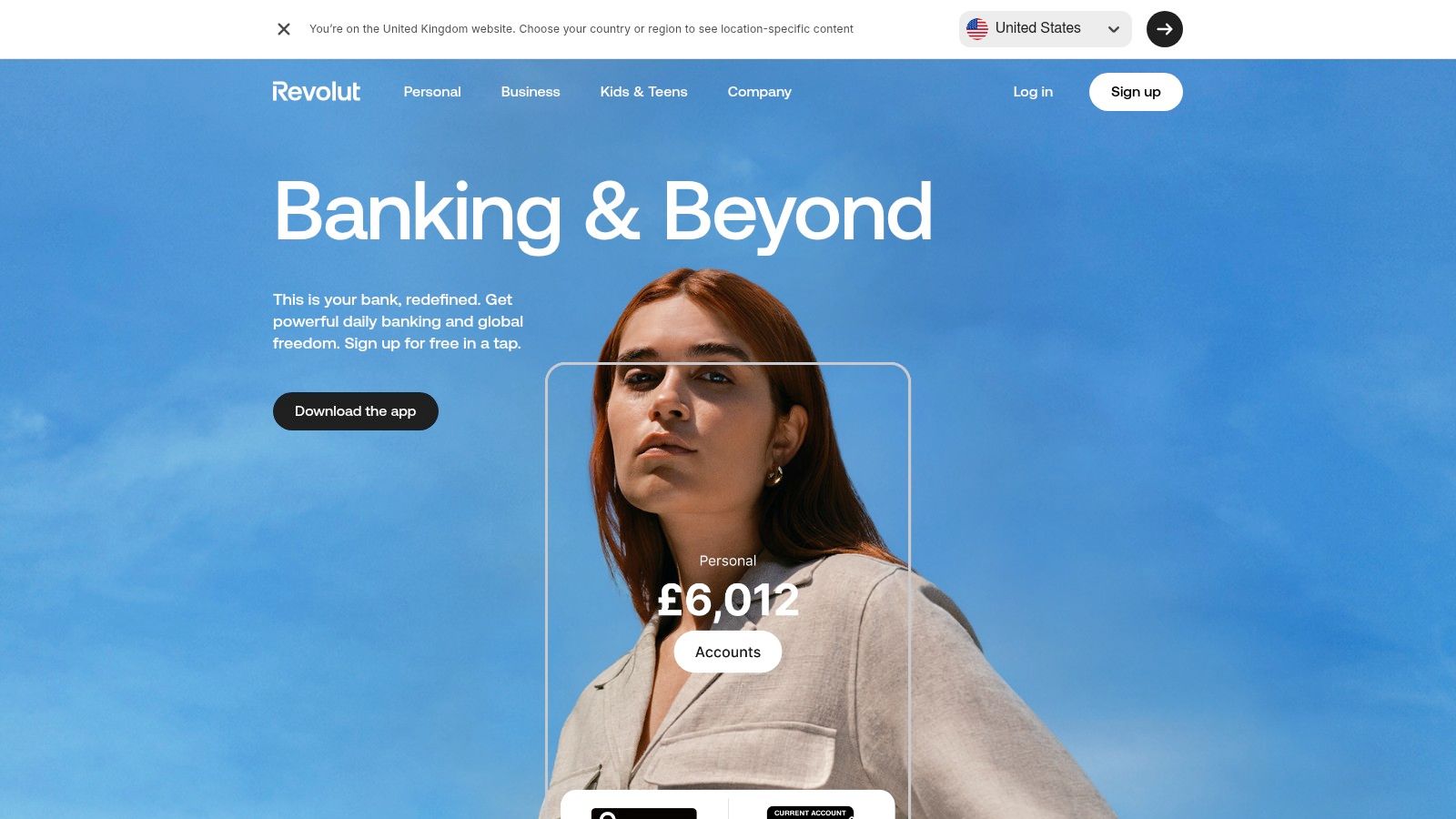
Best for the frequent traveler who wants spending, transfers, budgeting, and currency exchange in one app. Revolut is the broadest tool here, and the scale backs it up. The Fintech Index neobank statistics report puts Revolut at 68.3 million retail customers by December 31, 2025, with £50.2 billion in customer balances at that date. That's real stored money, not just downloads.
The free US Standard plan gets you multi-currency spending, international transfers, and virtual and physical cards with app-based controls like freezing and spending limits. Paid tiers layer on higher allowances and travel perks. For spending that starts in crypto rather than a bank balance, compare the best crypto cards alongside it, because Revolut's exchange works best when your money's already fiat.
Where Revolut catches you out
Standard has foreign-exchange limits and weekend exchange fees, so exchanging a large sum on a Saturday costs more than you planned. Convert on a weekday instead. Paid plans only pay off if you travel often enough to use the allowances, and US products and terms differ from some other markets. Check which Revolut entity serves your country before you rely on a feature you saw advertised elsewhere.
2. Wise
Start with what Wise isn't. It's not a US bank. It's a multi-currency account and payments provider, and that's exactly why frequent FX spenders and people paid across borders should look here first. Check how your funds are held and what protections apply in your country before you park large balances.
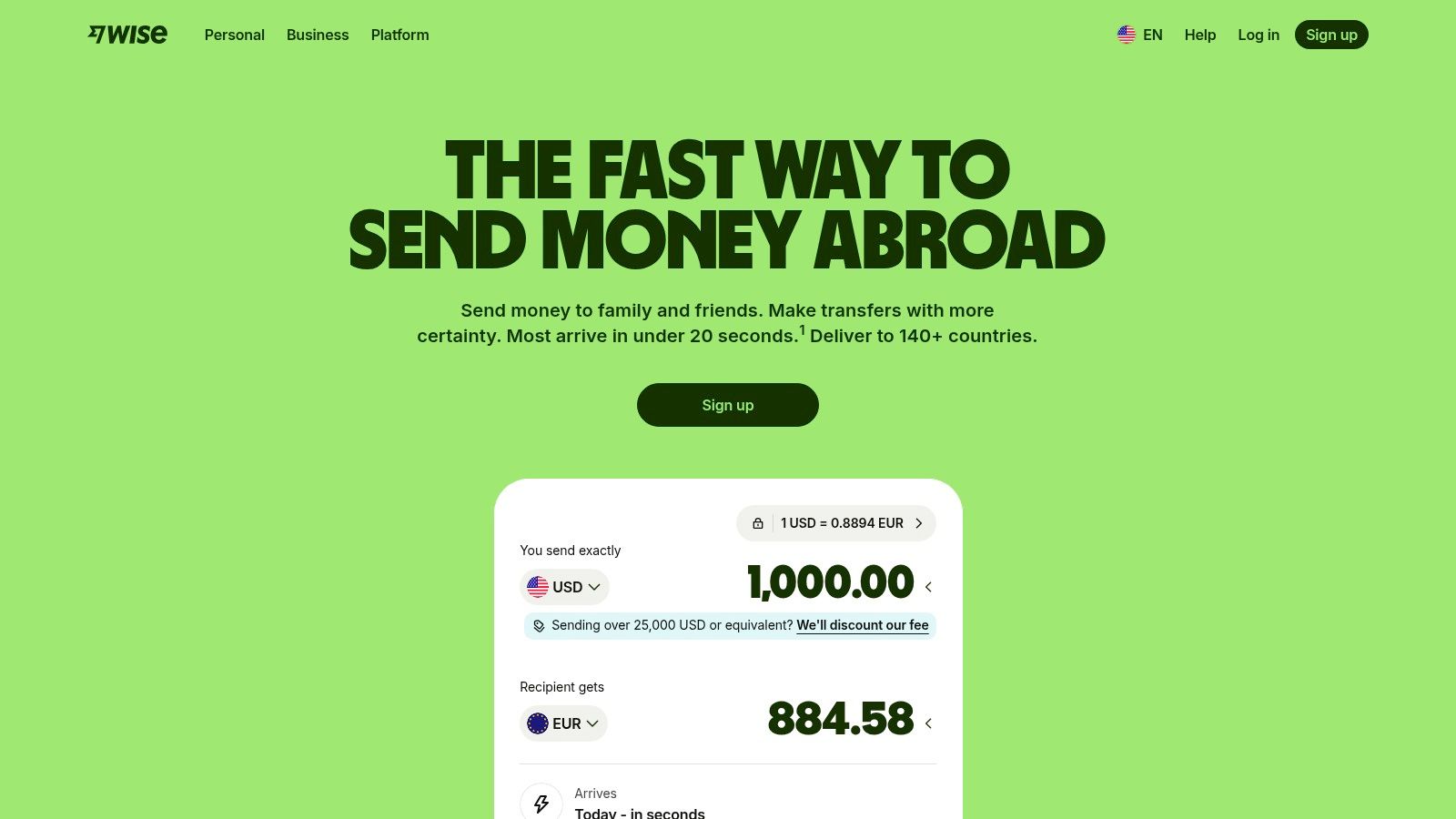
You can hold and convert more than 40 currencies, receive money in supported currencies, and spend with a debit card or digital card in your mobile wallet. Fees are shown before you send, so you see the conversion cost upfront instead of discovering a markup buried in the rate. That transparency is the whole pitch, and it's the same lens worth applying to a crypto card fees comparison if you spend digital assets too.
- No monthly subscription in the US: You pay per conversion or transfer, which suits irregular cross-border income.
- One-time fee for the physical card: Small, but the marketing leads with free.
- Conversion still costs money: Clear pricing isn't zero pricing, and features vary by location.
I rate Wise highest when your problem is moving money between currencies, not when you want one app to be your entire bank.
3. bunq
Say you run your money like envelopes. Rent in one pot, travel funds in another, household bills in a third. bunq is built for that habit. This Dutch app-based bank lets eligible plans hold multiple bank accounts with separate IBANs, so each budget has its own account details rather than a label on shared money.
Digital cards work with Apple Pay and Google Pay, and you get budgeting tools, joint accounts, and spending controls in one app. A free plan sits alongside paid tiers, so you can test the organizing system before paying for it. That's the right order. The system only helps if you'll maintain separate pots.
Practical rule: If you won't sort money into separate accounts every payday, bunq's main advantage disappears and a simpler free account serves you just as well.
The catch is plan dependence. Physical cards, ATM allowances, and foreign-exchange benefits change by tier, and some travel benefits require a paid subscription. Availability and terms also vary by region. Price the exact card and ATM access you need, not the entry plan, before you commit to organizing your whole budget around it.
4. N26
N26 is the clean, no-drama pick for eligible residents in supported European markets. It's not a workaround for US customers who want a European account from their couch. If you don't live where N26 operates, skip this one entirely.
The free Standard plan gives you a virtual debit card and mobile-first account management. That's enough for online spending and wallet payments if you rarely need cash or a physical card. Paid plans add physical cards, budgeting features, and travel-oriented benefits, and the tier structure makes it fairly easy to see what each step up offers.
What the free tier leaves out
A virtual-only card fails you at a car rental desk or a cash-only market. Physical cards and travel benefits may require a paid plan, so occasional travelers should compare one year of subscription against what they'd pay in FX and ATM fees elsewhere. Features and pricing also vary by country, even within N26's footprint. Read your own country's plan page, not a review written for another market. For a European resident who wants a tidy primary or secondary current account, though, this is a sensible, unflashy choice among the best neobanks.
5. SoFi
US-only earners should stop paying attention to multi-currency features they'll never use. SoFi Checking and Savings is offered through SoFi Bank, N.A., so the deposit account comes from a US bank rather than a fintech front end. That structure matters when you care who legally holds your money.
Checking and savings come together with no account, service, or maintenance fees, access to in-network ATMs, and app-based access to other SoFi financial products. If you already borrow or invest with SoFi, consolidating saves logins and transfer delays. Younger users are the most open to this model. Bankrate's digital banking statistics report that in 2025, 42% of US consumers aged 18 to 24 said they were very or somewhat likely to use an online-only bank as their primary account.
The trade-off is reach. Some instant transfers, wires, and remittance services may incur fees, rates and promotional benefits can change, and this isn't a multi-currency travel account. Rewards chasers spending crypto should compare crypto cards with cashback separately, because SoFi's value is domestic consolidation, not foreign spending.
6. Chime
Chime does everyday US spending and not much else, which is a strength if that's your whole brief. You get an app-based checking account, a debit card, savings features, and Pay Anyone peer-to-peer payments, with no monthly service or minimum-balance fee. Opening an account requires personal information and identity verification, as you'd expect.
One structural point deserves plain language. Chime is a financial technology company, not a bank, and deposit accounts are provided by partner banks. That doesn't make it unsafe by itself, but you should know which partner bank holds your deposits and how you'd recover access if the app or an intermediary hit trouble. The Axis Intelligence digital banking statistics comparison listed Chime at 10.4 million active members in its latest reporting period, so the model clearly works at scale for domestic users.
Keep a second account with a different provider if your salary lands in any app-only account. A fraud review or outage shouldn't be able to lock you out of all your money at once.
Optional overdraft-related features exist for eligible users, but out-of-network ATM withdrawals and some services cost extra. International nomads should look elsewhere. There's no multi-currency account here, and pretending otherwise wastes your time.
7. Starling Bank
UK residents, this one's yours. Starling Bank offers a personal current account with no monthly fee, spending insights, and instant transaction notifications that make it easy to spot a wrong charge the moment it lands. Adoption around it is broad. Finder's digital banking research reported that 40% of adults in Great Britain had opened a digital-only bank account in 2025, so you're not an early adopter anymore.
Beyond the standard account, Starling offers joint, euro, student, and teen accounts, which covers most household setups without juggling providers. Fee-free international ATM withdrawals, subject to terms and ATM-owner charges, make it a decent single card for occasional holidays. You probably don't need a separate travel account for one trip a year.
The limits are geographic and functional. Availability is UK-centric, international transfers may involve charges and exchange-rate costs, and Starling isn't designed for crypto spending or serious multi-currency management. If you earn in euros regularly or travel monthly, pair it with Wise or Revolut instead of forcing one account to do everything.
Best Neobanks at a Glance
| Item | Best For | Free Plan | FX / Travel Costs | Card Options |
|---|---|---|---|---|
| Revolut | Travelers seeking spending and money tools in one app | Free Standard plan | FX limits and weekend exchange fees may apply | Virtual and physical debit cards |
| Wise | Holding, converting, and spending across currencies | No monthly subscription in the U.S. | Conversion and some transfer fees; costs shown before services | Debit card and digital card |
| bunq | Organizing budgets, household expenses, or travel funds | Free plan available | Travel and ATM benefits depend on plan | Digital cards; physical cards depend on plan |
| N26 | Eligible European residents seeking mobile banking | Free Standard plan with virtual card | Travel benefits depend on paid plan and country | Virtual card; physical cards may require a paid plan |
| SoFi | U.S. residents seeking checking, savings, and other financial services | No monthly maintenance fee | Primarily U.S.-focused; some transfers and remittances may have fees | Debit card |
| Chime | Everyday domestic banking and payments in the U.S. | No monthly service or minimum-balance fee | Some out-of-network ATM withdrawals and services may cost extra | Debit card |
| Starling Bank | UK customers seeking everyday banking and occasional travel use | Personal current account has no monthly fee | Fee-free international ATM withdrawals subject to terms; transfers may incur costs | Personal account debit card; additional account options available |
How to Pick Your Neobank and Cut FX Costs for Good
Match the profile first. Frequent FX spender or freelancer paid across currencies, start with Wise for transparent conversions or Revolut for an all-in-one travel app. European traveler or resident, look at N26 for a supported-market current account or bunq if you budget in separate pots. US-only earner, choose SoFi for bank-provided checking and savings in one place, or Chime for simple domestic spending with no monthly fee. UK resident, Starling covers daily banking and occasional travel without a subscription.
Then check durability, not just features. The Spark Money neobank business model analysis notes that roughly 76% of neobanks worldwide were still unprofitable in 2025, and that profitable providers generally expanded beyond interchange into lending and deposit income. Generous rewards from a provider with no clear revenue engine can disappear. Ask who legally holds your money, which deposit-insurance or safeguarding scheme applies, and how the company earns.
Finally, plan for failure before it happens. The CFPB annual performance report recorded more than 5.7 million consumer complaints received from 2024 through September 30, 2025, a reminder that disputes and access problems are routine, not rare. Verify country coverage and card terms, keep a backup account, and know the dispute path. If you're relocating, plan your international move before you close your old account.
For readers whose money sits in crypto rather than a bank balance, a traditional neobank may not fit the currency you hold. We compare more than 60 crypto cards side by side on fees, limits, KYC levels, and coin support, with a 5-question card finder and rankings recalculated weekly. That's a useful companion check before you force crypto through a fiat-first app.
If your spending starts in crypto, none of these seven apps fully solves the conversion and custody trade-offs, so use NomadCards to compare more than 60 crypto-linked cards on fees, cashback, KYC requirements, and supported coins before you apply. Filter by network, card type, and per-transaction limit, answer the 5-question finder, and pick the card that matches the same traveler profile you used for this list.